

Oil Paint vs Latex Paint for GTA Properties

Freshly painted walls can look excellent on day one with almost any quality coating. The difference appears later - when trim starts to yellow, a bathroom wall shows moisture marks, or a busy hallway needs cleaning. In the oil paint vs latex paint decision, the right choice depends on the surface, the room, the existing coating, and the level of wear the finish will face.
For GTA homeowners and property managers, latex paint is usually the practical choice for most walls, ceilings, and many exterior surfaces. Oil-based paint still has a place, particularly on certain trim, doors, metal, and previously oil-painted surfaces. A professional result is less about choosing the product with the strongest reputation and more about matching the coating to the job and preparing the surface correctly.
Oil Paint vs Latex Paint: The Core Difference
Latex paint is water-based. Despite the name, most modern latex paints contain acrylic or vinyl-acrylic binders rather than natural latex. It dries through water evaporation, which means lower odour, easier cleanup, and a faster return to normal use.
Oil paint, often called alkyd paint, uses solvents and an oil or alkyd resin binder. It cures into a hard, smooth film and has traditionally been valued for its levelling properties on trim and doors. It generally takes longer to dry, has a stronger odour, and requires mineral spirits or another suitable solvent for cleanup.
Neither option is automatically better. Paint performance comes from the complete system: the condition of the substrate, cleaning, sanding, primer, application method, drying conditions, and the quality of the product. Applying premium paint over loose drywall compound, peeling coatings, or unprimed stains will not produce a lasting finish.
Where Latex Paint Performs Best
Modern latex paint has improved significantly. High-quality acrylic formulations offer strong coverage, washable finishes, colour retention, and flexibility. For most occupied homes and commercial interiors, those benefits make latex the default choice.
Latex is especially well suited to walls and ceilings. It dries quickly enough for efficient multi-coat work, produces less disruption indoors, and is easier to maintain in living rooms, bedrooms, hallways, offices, and retail spaces. Low- and zero-VOC options are also more comfortable for families, tenants, employees, and customers during a painting project.
It is also a reliable option for many exterior applications. Wood siding, fibre cement, stucco, and properly prepared exterior trim benefit from latex paint's flexibility. Temperature changes, sun exposure, and moisture cause exterior materials to expand and contract. A flexible coating is better able to move with the surface instead of becoming brittle and cracking prematurely.
For kitchens, bathrooms, and laundry areas, the answer is usually not oil paint. A premium moisture-resistant acrylic paint in an appropriate sheen is typically easier to clean and less likely to create the yellowing concerns associated with traditional oil-based coatings. Proper ventilation and surface preparation remain essential in high-humidity spaces.
Latex paint also makes sense when timing matters. It can often be recoated within hours, depending on the product and job-site conditions. That can reduce downtime during a tenant turnover, office refresh, home sale preparation, or renovation schedule.
When Oil-Based Paint Is Still Worth Considering
Oil-based paint remains useful in specific situations, even though it is no longer the everyday choice for most residential interiors. Its greatest advantage is the exceptionally hard, smooth finish it can create on detailed surfaces.
Traditionally, oil paint has been used for interior doors, baseboards, window casings, stair components, and cabinetry. It levels out well, helping brush marks settle as the paint dries. On older wood trim with an existing oil coating, using an oil-based primer or compatible coating may also provide better adhesion than applying water-based paint directly over a poorly prepared surface.
Oil-based primers can be particularly valuable when blocking stains. Water marks, smoke staining, tannins from knots in wood, and certain old discolourations can bleed through ordinary water-based paint. In those cases, a stain-blocking primer is often the solution, followed by a compatible topcoat. The primer choice matters as much as the finish paint.
Metal is another area where oil or alkyd coatings may be considered. Railings, certain steel doors, and metal components require careful rust removal and a primer designed for the substrate. The best coating system will depend on whether the metal is indoors or outdoors, how much moisture it receives, and whether corrosion is already present.
There are trade-offs. Oil paint's longer drying time can attract dust and extend project schedules. Solvent odours require proper ventilation, and cleanup is more involved. Traditional oil finishes may yellow over time, especially in rooms with limited natural light. A bright white door or trim package can gradually take on a warmer tone, which is not always acceptable in a modern interior.
Durability Is Not Just About Hardness
Oil paint is often described as more durable because it cures harder. Hardness helps on high-contact trim, but it is not the only measure of durability. A coating that is too rigid can crack when a substrate moves. This is why flexible acrylic paint often performs better on exterior wood and other surfaces exposed to changing weather.
Latex paint is durable in a different way. Quality acrylic coatings resist fading, maintain colour well, and flex with many surfaces. In a busy family home, a washable latex wall paint can be the better long-term finish because everyday scuffs and marks are easier to clean without damaging the coating.
Sheen also changes performance. Flat paint hides minor wall imperfections well but is generally less washable than eggshell, satin, or semi-gloss. Higher sheens are more durable and easier to clean, but they reveal drywall repairs, sanding marks, and uneven texture. This is one reason wall preparation should never be treated as an afterthought.
Compatibility Matters Before Repainting
Painting latex over old oil paint without proper preparation is one of the most common causes of peeling. Water-based coatings do not reliably adhere to glossy oil-based surfaces on their own. The surface must be cleaned, deglossed through sanding or appropriate preparation, and primed with a bonding primer where required.
If you are unsure what is already on your trim or doors, a contractor can test a small area before recommending a system. This is particularly important in older GTA homes, where multiple renovation cycles may have left a mix of coatings, patchwork repairs, wallpaper adhesive residue, or hidden stains behind the existing paint.
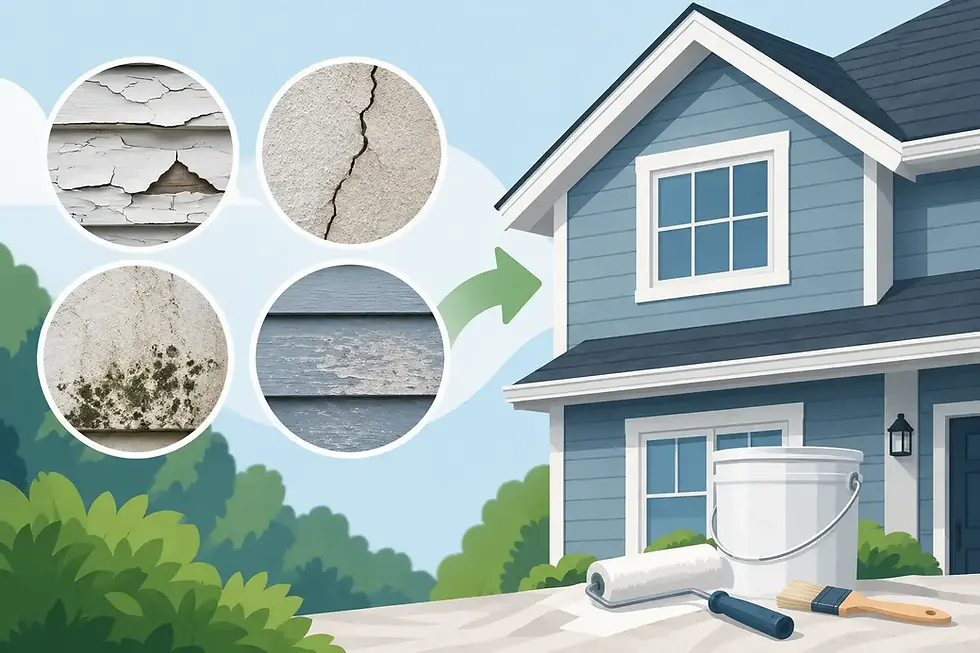
The same principle applies to exterior work. Peeling paint, damaged caulking, soft wood, mildew, and bare areas need attention before the finish coat goes on. Paint is a protective finish, not a repair product. It cannot permanently correct moisture intrusion, failing wood, or loose material underneath.
A Practical Choice by Surface
For most interior walls and ceilings, use a quality latex paint selected for the room and desired sheen. It is efficient, low-odour, and available in finishes that stand up well to normal household or commercial use.
For trim, doors, and cabinets, the best answer depends on the existing coating and the finish you want. Modern water-based enamel and alkyd-modified waterborne paints can provide a durable, smooth alternative to traditional oil paint, with faster drying and reduced odour. They are often an excellent fit for homeowners who want crisp white trim without the inconvenience of a full oil-based system.
For exterior siding and trim, high-quality exterior acrylic paint is commonly the preferred choice because of its flexibility and resistance to weathering. For stain blocking, metal, or older oil-coated surfaces, a specialized primer may be needed before the finish coat is applied.
For cabinetry, railings, and other detail-heavy surfaces, spraying can deliver a more uniform finish than brushing alone when the area can be properly masked, ventilated, and prepared. The coating needs to be selected for the surface and application method, not simply chosen from a wall-paint colour deck.
The Finish Should Match the Project
The right paint decision protects more than appearance. It affects cleaning, maintenance, indoor comfort, project timing, and how long the finish will hold up under daily use. At Unique Painting Ltd., that means looking at the full condition of the surface before recommending a coating, including repairs, stains, existing paint, and the level of traffic the area receives.
If you are planning an interior refresh, exterior repaint, cabinet update, or turnover project, start with the surfaces rather than the label on the can. A clear assessment before painting can prevent peeling, bleed-through, and unnecessary repainting later.


Comments