

Exterior Painting Maintenance Guide
- Unique Painting
- Jun 6
- 6 min read

A good exterior paint job does more than improve curb appeal. It stands between your property and the kind of wear that shows up fast in the GTA - moisture, UV exposure, freeze-thaw cycles, mildew, and surface movement. That is why an exterior painting maintenance guide matters long after the last coat dries.
If you want your home or commercial property to keep looking sharp and stay protected, maintenance needs to be simple, regular, and based on what actually affects exterior surfaces in Mississauga, Toronto, and surrounding areas. The goal is not constant upkeep. The goal is catching small issues before they turn into peeling paint, exposed wood, water damage, or a full repaint earlier than expected.
What exterior paint is really up against
Exterior coatings fail for reasons property owners can usually see early if they know what to watch for. Sun exposure fades darker colours and slowly breaks down binders. Rain and snow test every seam, edge, and vulnerable joint. Humidity can encourage mildew, especially on shaded elevations. Temperature swings cause wood and some trim materials to expand and contract, which puts stress on paint films over time.
Not every surface ages at the same rate. South- and west-facing walls often show wear first because they take more direct sun. Horizontal surfaces, window sills, railings, and trim details collect water and dirt more easily than broad wall sections. Older homes can also have underlying issues such as failed caulking, minor wood rot, or previous paint layers that were not properly prepared.
That is why maintenance is less about one annual checklist and more about paying attention to exposure, material type, and the quality of the original prep work.
Exterior painting maintenance guide: what to check each season
A practical exterior painting maintenance guide should fit real life. Most property owners do not need to inspect every inch of the building every month. A few targeted checks through the year are usually enough.
In spring, walk the property after winter has passed. Look for peeling around trim, garage doors, soffits, fascia, window frames, and entry points. Check caulking for cracking or separation. If you see bare substrate, swelling wood, or dark moisture marks, deal with it early. Spring is also a good time to wash off grime, pollen, and mildew.
In summer, focus on sun damage and surface stability. Fading is mostly cosmetic, but blistering, cracking, and chalking point to coating breakdown. Chalking happens when paint leaves a dusty residue on your hand. That usually means the finish is wearing out and may need more than a touch-up, depending on the area.
In fall, clear debris away from siding lines, decks, and lower trim. Wet leaves and trapped dirt hold moisture against painted surfaces. This is also the right time to confirm water is draining properly from eavestroughs and downspouts. Overflow and splash-back can shorten the life of nearby paint.
In winter, the job is mostly observation. Watch for ice buildup, repeated wetting near entrances, and areas where snow sits against painted wood or trim. You are not likely doing exterior touch-ups then, but winter often reveals where moisture is getting the upper hand.
Cleaning matters more than most people think
One of the simplest ways to extend the life of exterior paint is regular cleaning. Dirt, airborne pollutants, mildew, and organic buildup can make a finish look older than it is. On some surfaces, that buildup also traps moisture.
For most painted exteriors, a gentle wash with low-pressure water and a soft-bristle brush does the job. Harsh pressure washing can force water behind siding, damage caulking, or scar softer materials such as wood. That trade-off matters. A fast, aggressive clean may look effective in the moment, but it can create repair work that costs far more than the cleaning itself.
Mildew should be treated, not painted over. If black or green staining keeps returning on shaded walls, fences, or soffits, the issue may be a mix of moisture, airflow, and surface contamination. The paint may still be intact, but the environment is working against it. In those cases, cleaning schedules sometimes need to be more frequent on specific elevations.
Small defects rarely stay small
Most major exterior paint failures start with a minor problem. A hairline crack in caulking lets in moisture. A small chip on a railing exposes wood. A joint near a window opens slightly with seasonal movement. Left alone, those areas spread.
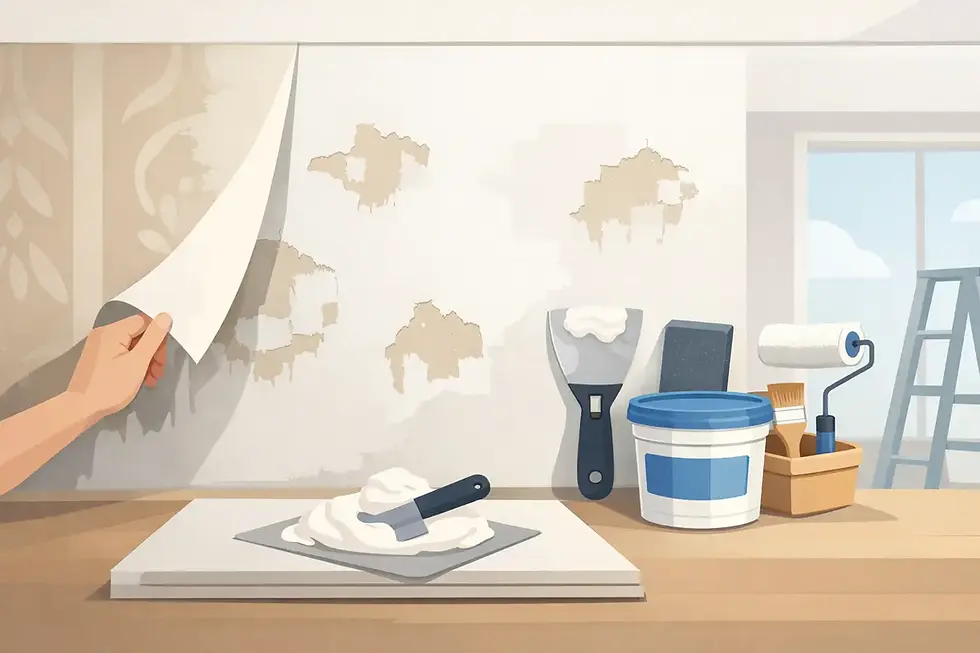
When you spot an issue, the right response depends on the cause. If the surrounding paint is sound and the damage is isolated, a localized repair may be enough. That usually means cleaning, scraping loose material, sanding edges, priming bare spots, replacing failed caulking, and applying a matching topcoat.
If you see repeated peeling in the same area, the problem may not be the paint itself. It could be moisture intrusion, substrate failure, or insufficient prep from a previous job. That is where experience matters. Repainting over a surface that has not been corrected usually gives you a short-term improvement and a long-term repeat problem.
High-risk areas deserve extra attention
Some exterior features age faster because they take more abuse. Wood trim, porch columns, railings, door frames, window sills, and garage door surrounds often need earlier maintenance than the main body of siding. Decks and stained wood surfaces also have a different wear pattern than painted walls. Foot traffic, standing water, and direct sun all accelerate breakdown.
Commercial properties have their own pressure points. Entry doors, storefront trim, service areas, bollards, and exterior wood details tend to show wear faster because they combine weather exposure with daily use. For property managers, this is where regular review pays off. Waiting until the whole building looks tired usually means a bigger scope and more disruption.
This is one reason full-service contractors are valuable. When paint issues connect to wood repairs, failed caulking, surface patching, or prep deficiencies, it helps to have one team handle the correction and finishing properly instead of splitting the job between trades.
When touch-ups help and when they do not
Touch-ups can be cost-effective, but only when the existing finish is still performing well overall. If one or two isolated spots have been damaged by impact or minor weathering, a professional touch-up can restore protection and appearance.
If the paint has faded unevenly, chalked across large sections, or lost adhesion in multiple areas, touch-ups may stand out or fail to solve the real issue. Colour matching is another factor. Even with the original product details, sun exposure changes how older paint looks over time.
This is where property owners need a practical answer, not a sales answer. Sometimes a maintenance repair buys you several more seasons. Other times, partial repainting of trim or one elevation makes more sense than patching scattered defects. And sometimes the most cost-effective move is a full repaint before damage reaches the substrate.
Signs it is time to call a professional
A few warning signs should not be ignored. If you see bubbling, widespread peeling, soft wood, open joints, water staining, or recurring mildew that cleaning does not solve, it is time for a closer assessment. The same goes for older paint jobs where no one knows what prep was done underneath.
A professional inspection helps separate cosmetic wear from protection issues. That distinction matters. Faded paint may wait. Exposed wood, failed caulking, and moisture intrusion should not.
For many GTA property owners, scheduling an assessment every few years is enough to stay ahead of expensive exterior problems. If the property has a lot of wood trim, heavy sun exposure, or older exterior detailing, more frequent review is worth it.
How to get more life out of your next exterior paint job
The best maintenance plan starts before the first coat goes on. Surface prep, primer selection, caulking, product quality, and application conditions all affect how long the finish lasts. So does choosing the right sheen and coating system for the material.
That is why workmanship matters as much as paint brand. A polished finish looks good on day one, but long-term performance comes from proper prep and careful application. Unique Painting Ltd. works with property owners who want that balance - strong appearance, dependable protection, and clear accountability behind the work.
If your exterior has not been checked in a while, start with a simple walkaround after the next stretch of wet weather. The problems worth fixing tend to show themselves early, and catching them then is usually the least expensive decision you can make.


Comments